For the past six years, I’ve worked right in the heart of the City of London, at 25 Copthall Avenue – for those City veterans that started work in the square mile back in the late 80’s and early 90’s, it is simply known as ‘the old Flemings building’, given that it once served as the headquarters of the merchant bank and asset manager, Robert Fleming & Co. before the business was eventually acquired by Chase Manhattan Bank in 2000. The building was subsequently redeveloped internally in 2003 and today stands as just another uninspiring City office building from the 1980’s, of which there is seemingly an abundance of in and around Moorgate.
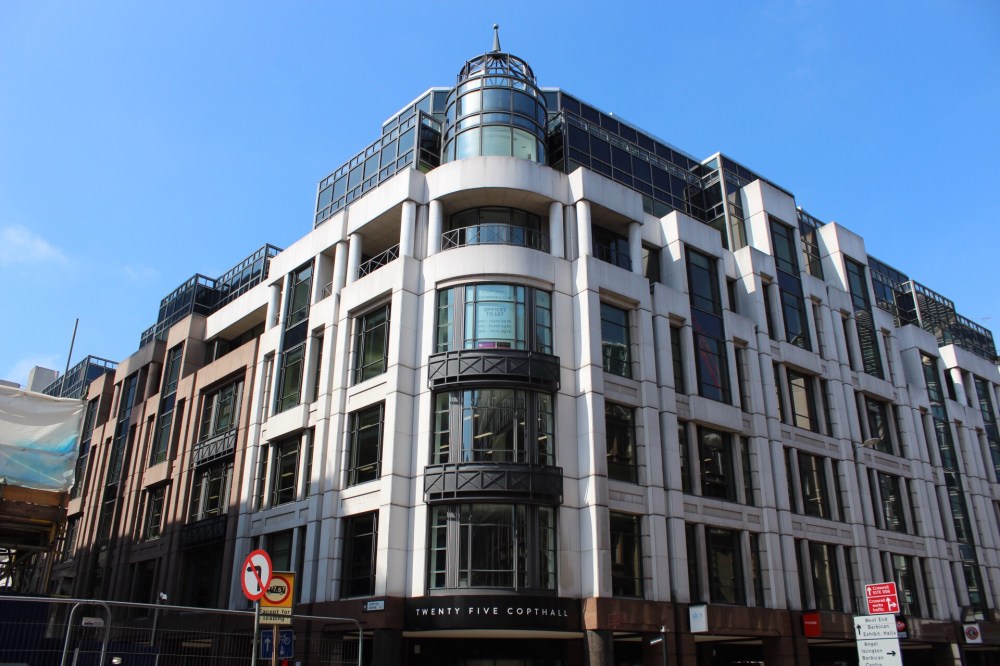
Directly opposite the entrance to 25 Copthall Avenue stands 60 London Wall – designed by Fitzroy Robinson and Partners, and completed in 1992, the postmodern building features a Portland stone facade and polished granite base, typical of the era. Just off London Wall stands the dark granite-clad 55 Moorgate, designed by TP Bennett Partnership in 1988 and completed in 1990, which itself is adjacent to 51 Moorgate, another building from Fitzroy Robinson and Partners. All four are essentially a product of the ‘Big Bang’, which occurred on 27 October, 1986 when Margaret Thatcher’s Conservative government changed rules governing the London Stock Exchange, which led to the deregulation of the UK banking sector, and strengthened London’s position as a global financial hub, which in turn drove a significant rise in demand for new office space with increasingly large floor plates.
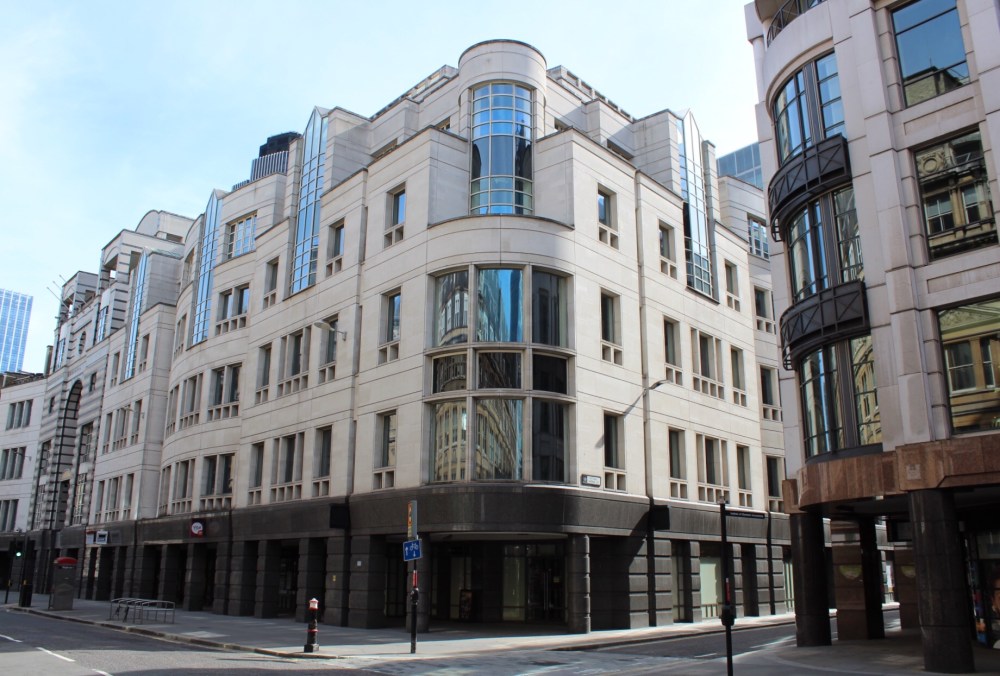
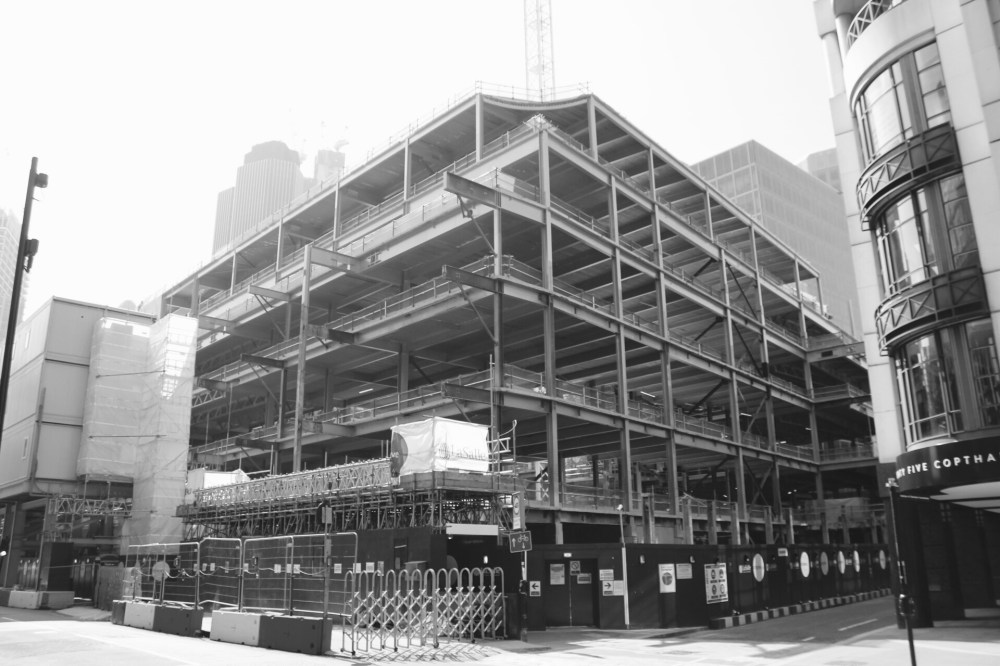
What links these buildings, beyond their postmodernist style is the fact that three of them are set to be redeveloped, and whilst none will meet with the wrecking ball in the same way that their predecessors did, they will all see a comprehensive refurbishment and recladding. The reason for the surge in redevelopment is that in December 2018, nearby Liverpool Street station will open for Elizabeth line services, with platforms stretching from Moorgate in the west to Broadgate in the east, and ticket halls at either end. With journey times to Canary Wharf cut from 22 minutes to six, and to Paddington from 23 minutes to 10, the area is set to become increasingly attractive to potential occupiers, as evidenced by Deutsche Bank’s commitment this week to Land Securities’ 21 Moorfields building, where piling and construction of an above station raft will start after demolition of the existing buildings is completed.
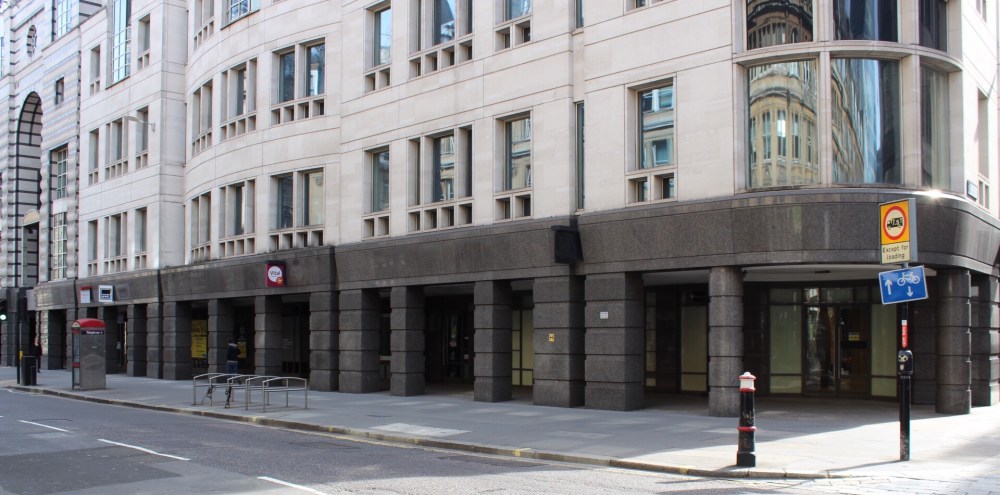
The heritage statements that accompany each of the respective planning applications, all of which have already been approved, are seemingly quick to decide that none of these buildings are deemed to be ‘architecturally significant’, which I have to admit I’m inclined to agree with, however with the listing of James Stirling’s, One Poultry at Grade II*, there is clear evidence that the architectural importance of London’s many postmodern buildings is increasing. As and when that thinking broadens to include those lesser known buildings from the period, 51 and 55 Moorgate, and 60 London Wall will have long-since disappeared in their 1980’s postmodern form, yet hopefully this post and the pictures below will capture what once stood.
 The New Wipers Times