Today’s photographs are taken inside the newest entrance to London Underground’s Bank station, which provides passengers with step free access from Walbrook, E.C.4, to the subterranean Waterloo & City line platforms below.
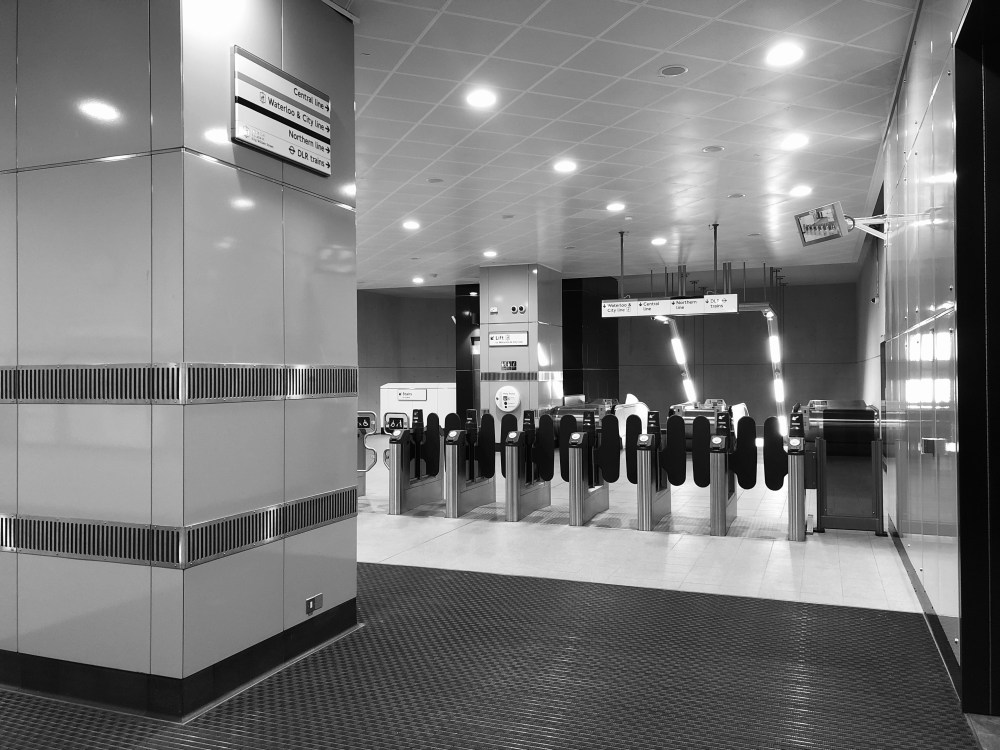
Opened on 12th December, 2018, the entrance represents the first phase of a broader £57m station upgrade programme at Bank/Monument, which is expected to complete in 2022 and deliver a much needed 40% increase in station capacity.
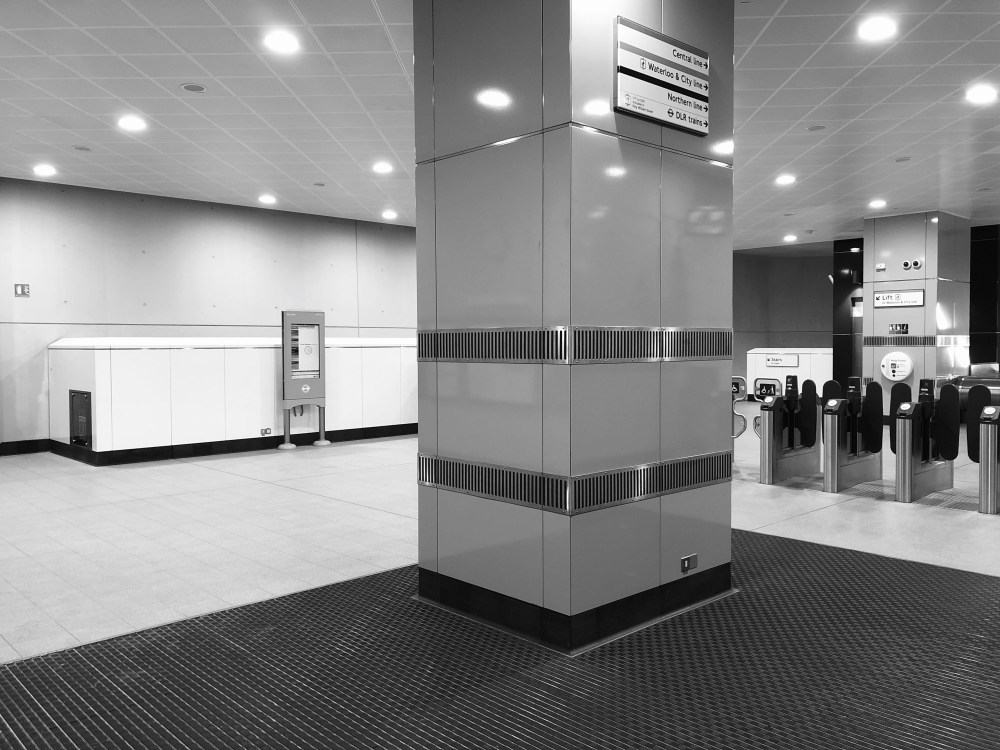
The Walbrook entrance was built as part of the new European headquarters for the global information and technology company, Bloomberg, whose office stands directly above the station.

Designed by Lord Norman Foster of Foster + Partners, the building replaced O. Campbell-Jones & Sons’ ‘Bucklersbury House’ (1953-58), the former headquarters of Legal & General, and won the prestigious 2018 R.I.B.A. Stirling Prize.
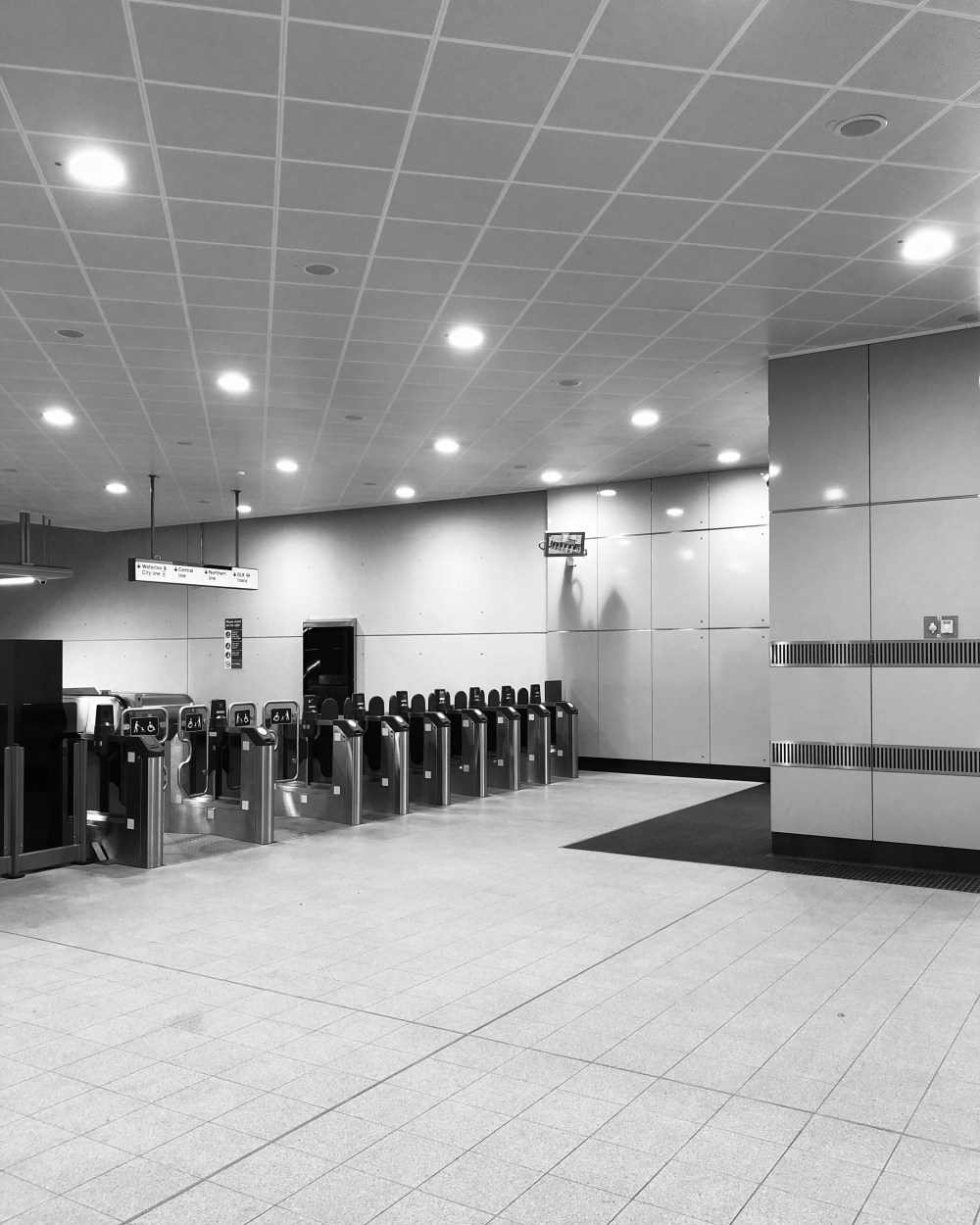
A concrete ‘station box’ was constructed by Sir Robert McAlpine, on behalf of Bloomberg, which was subsequently handed over to London Underground to proceeded with the internal fit out, which was awarded to Hochtief (UK), Ltd., in September, 2014.

Work started in November, 2015, with completion initially expected to have been in late 2017, however owing to various issues, the eventual opening was delayed by at least 12 months.


The new entrance leads directly in to a large ticket hall at street level, which, despite its size, features just two small ticket machines, underlining the dramatic shift that London Underground has made away from manned ticket offices.
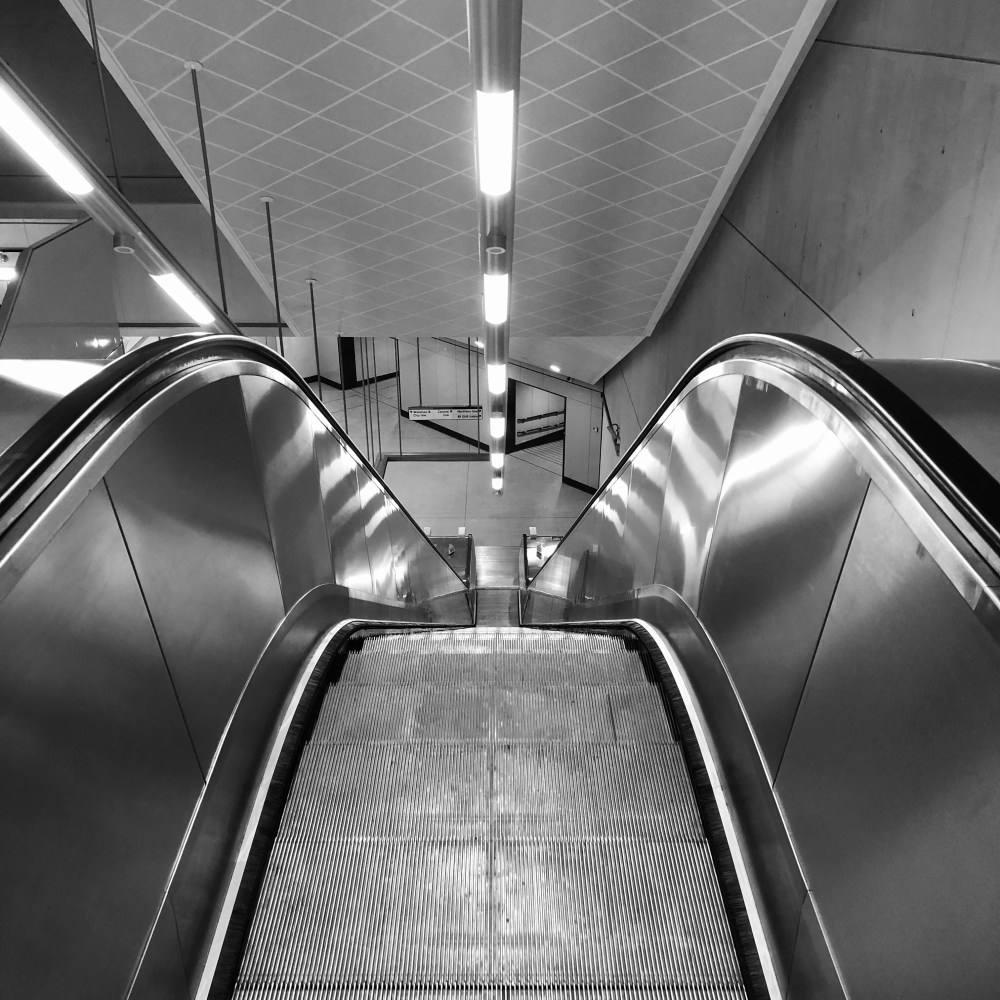
Despite the delays, as a precursor to Crossrail, the Walbrook entrance bodes extremely well and is a marked improvement on recent London Underground station improvements, particularly in terms of design and both the choice and quality of materials used.


Whilst the likes of Bond Street and Liverpool Street have recently seen their ticket hall and landing levels re-tiled to a very poor standard, the materials here look far more robust, with exposed concrete and blue/grey panels used throughout.
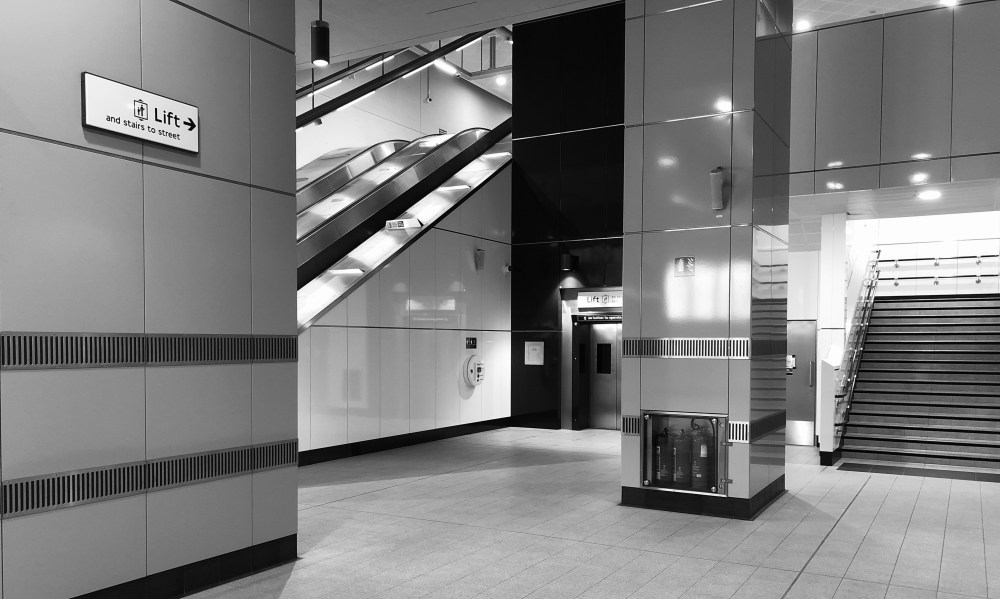
The huge station box that McAlpine handed over means that the cavernous new space, comparable only with stations on the Jubilee Line Extension (JLE), can comfortably accommodates two sets of escalator banks, two lifts and a staircase.
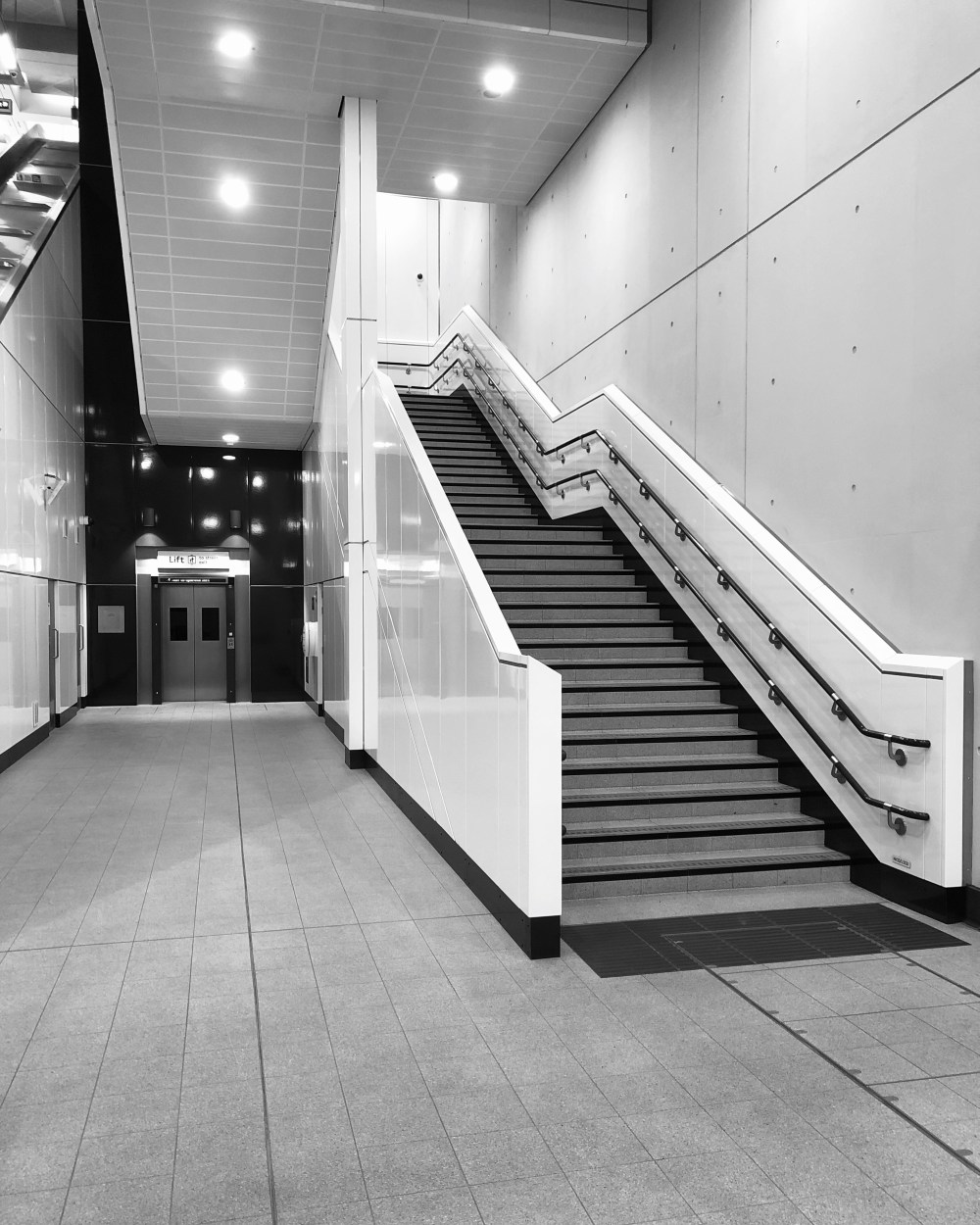
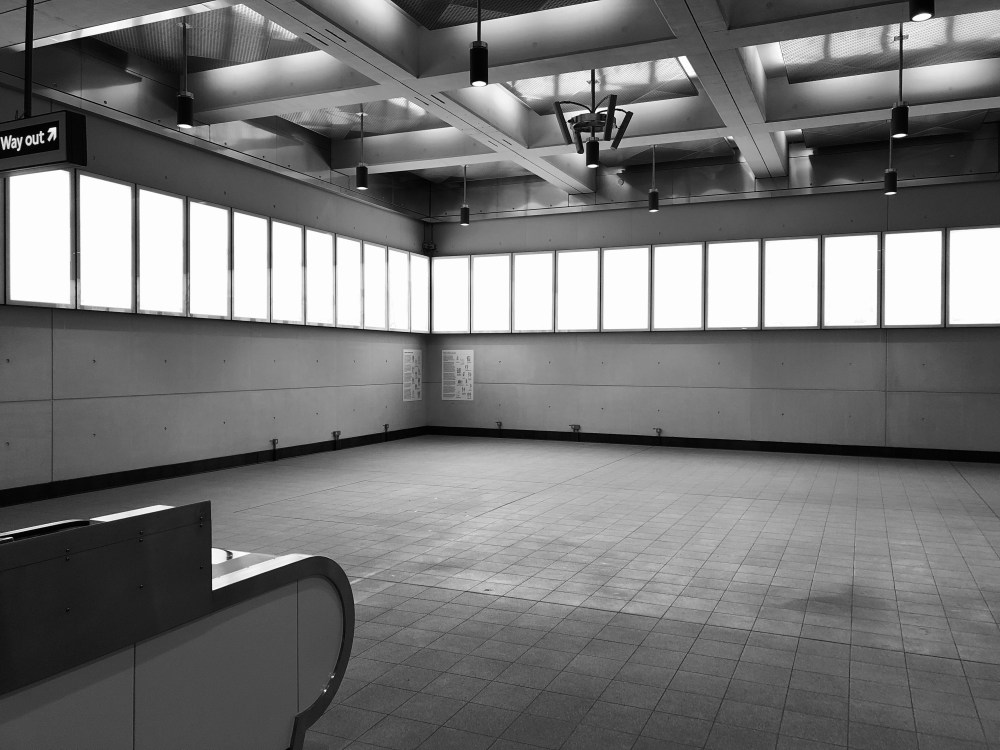
From the ticket hall, passengers descend directly to an intermediate level, where a second lift and a further bank of two escalators takes passengers down to the lower landing level, which provides direct access to the W&C line platforms.


In a fitting nod to Bucklersbury House, 24 etched glass panels, by the artist, John Hutton, which once stood above the entrance to that building have been re-sited in the intermediate level. These have been back-lit to great effect.

Altogether, it’s an impressive space, although what it will look like in 2022 when the rest of the station is finished is debatable. Before that time, it’s well worth taking a trip on the W&C line.
January, 2019
 The New Wipers Times
Good to see this entrance showcased and discussed here especially as I was someone closely connected with the design! You may be interested in some of the background to the entrance. The ‘box’ underwent a change in layout quite late on in design/construction that has meant there is that whopping great column just inside the entrance in front of the gate line that isn’t ideal in any way. The cladding was intended to be more extensive but in an attempt to reduce project specification costs it was removed and ‘fair faced concrete’ accepted. However, despite several trial pours the finished surfaces were very variable (possibly due to recycled aggregate and differential curing times) and so the surfaces ended up being finished with a cementatious wash that has, I think subsequently had a proprietary finish added. I was always very wary of this as a) fair finished concrete (that LU has a long history of) when done well is great but when badly done isn’t and b) ‘painted’ finishes are a maintenace nightmare. We shall see. I always liked the spatial elements of this vast box and we would have liked to make more of the very sculptural nature of the ceiling spaces particularly at the lowest levels but the requirements as to acoustic attenuation and service runs made for some difficult compromises following some of the late constructional changes. The Hutton panels are a joy and the team that designed and constructed the museum standard cases to protect the panels and meet building and fire regs are to be congratulated. The panels were ‘gifted’ to LU by the site owners and acceptance by the company of a work of art we hadn’t commissioned was a very considered decision. We did work closely with the project to make that intermediate landing a bit more ‘special’ so the soffit treatment was carefuly considered and delivered here – and a decison had to be made to withdraw commercial advertising sites in this area so as to keep the panels clear of visual conflict. Anyhow, interesting stuff and perhaps a good example of how a ‘quick’ cost-cutting exercise is pushed through without a full understanding of the knock on consequences.
LikeLike
Fascinating. Thanks for sharing!
LikeLike